From farm to table, exploring container greenhouses and their impact on food security around the world

Container greenhouses definition and exploring about it's function principles

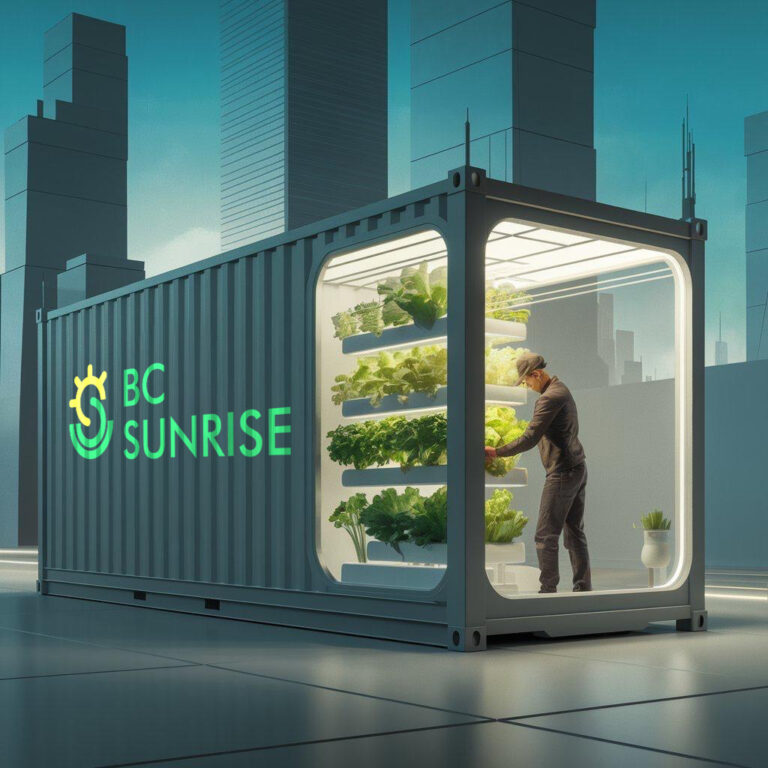
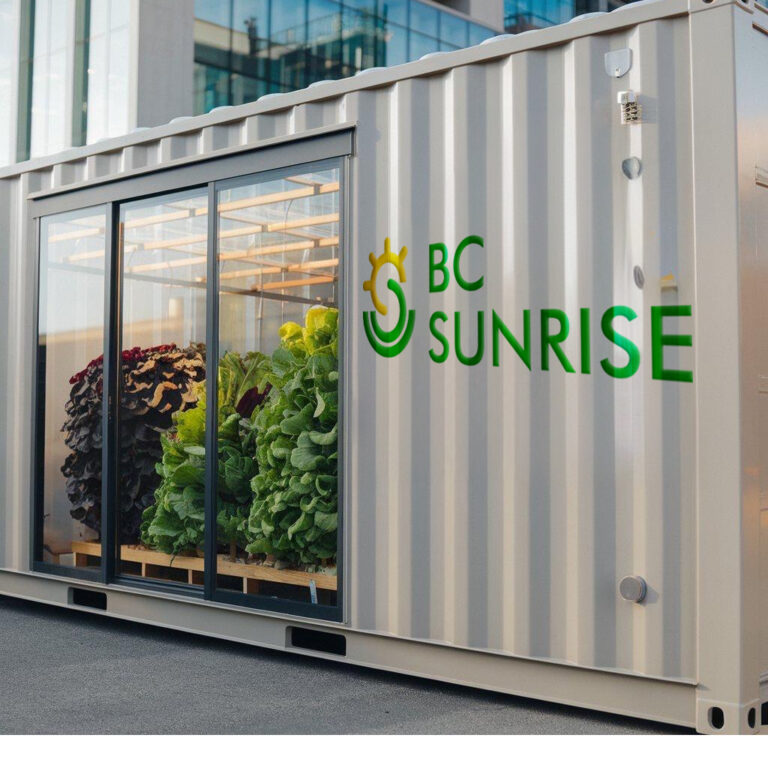
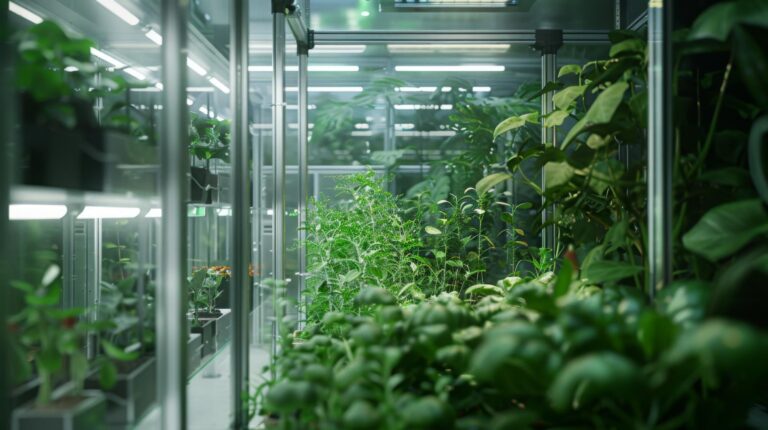
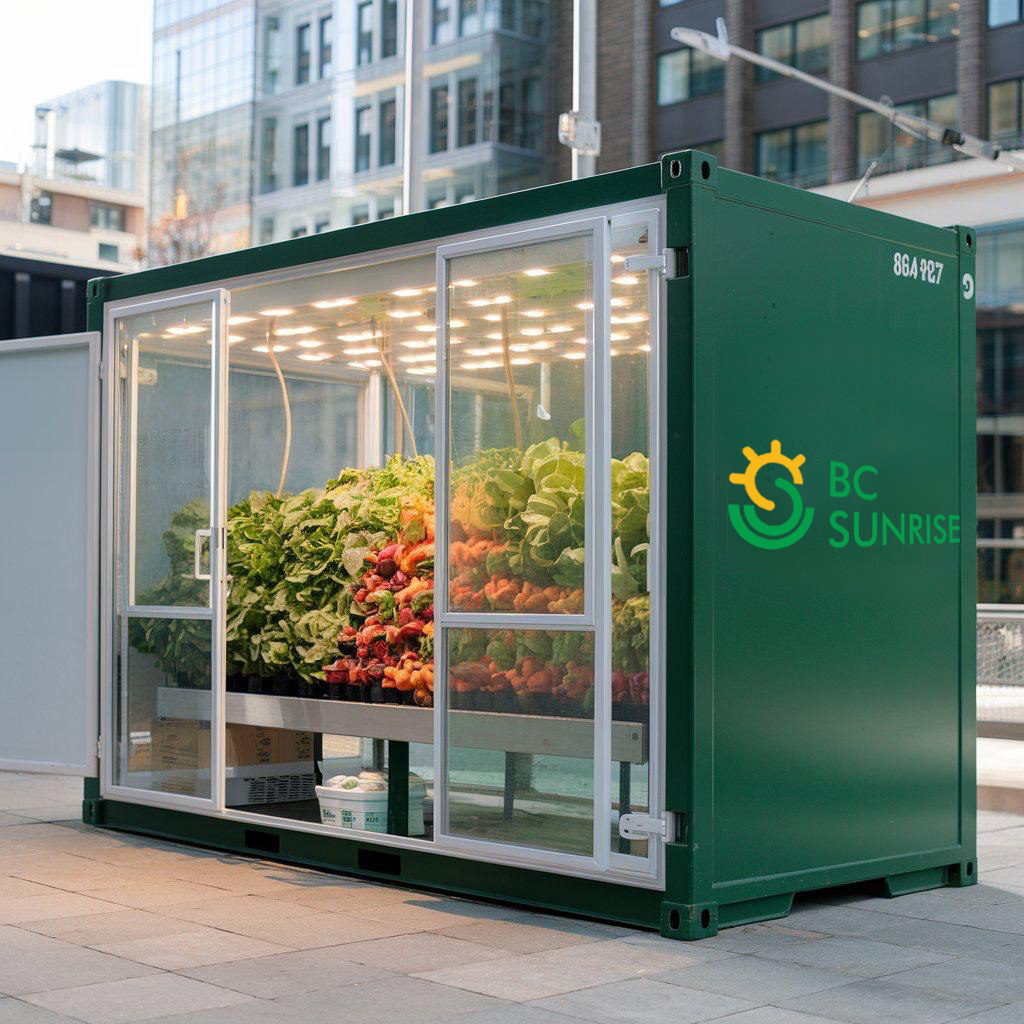
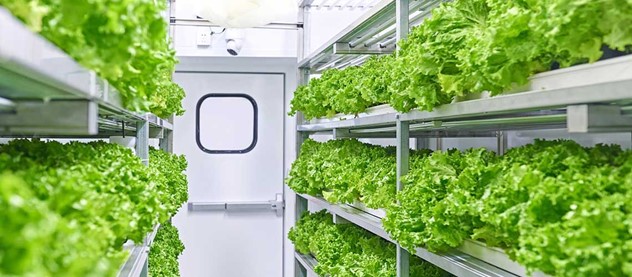
Container greenhouses are known as a type of modern, controlled vertical farming system that is made from shipping containers. These containers, due to having a closed and controlled environment, provide the possibility of growing plants in any weather condition and at any time of the year.

Container greenhouse operation principles

Completely isolated and controlled environments
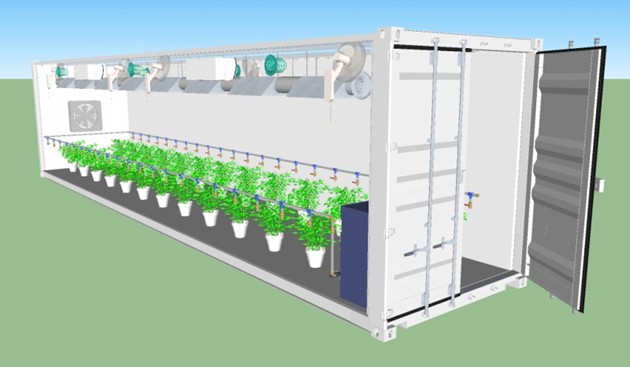
Container greenhouses are a closed and completely isolated environment. Due to this issue, it is possible to accurately control the factors necessary for agriculture, such as temperature, humidity, carbon dioxide, and light.
Artificial lighting systems
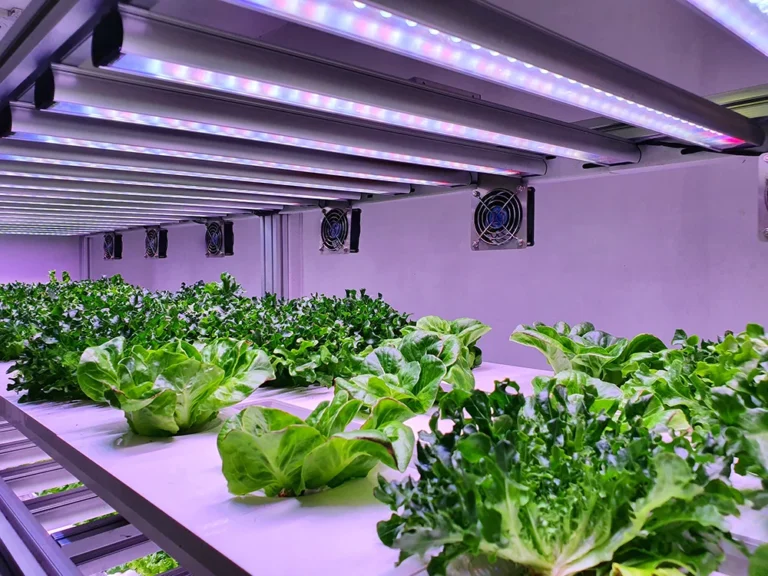
LED lights or other light sources are used in container greenhouses to provide the light needed for plant growth. These systems are designed in a way that they can provide the spectrum of light for any plant.
Irrigation systems
In container greenhouses, drip irrigation systems or fog sprinklers are usually used. These are smart systems and provide moisture automatically based on plants’ needs.
Ventilation systems
Ventilation systems are used in container greenhouses to regulate temperature and humidity. These systems can prevent the accumulation of excessive heat and moisture.
The possibility of cultivation without soil
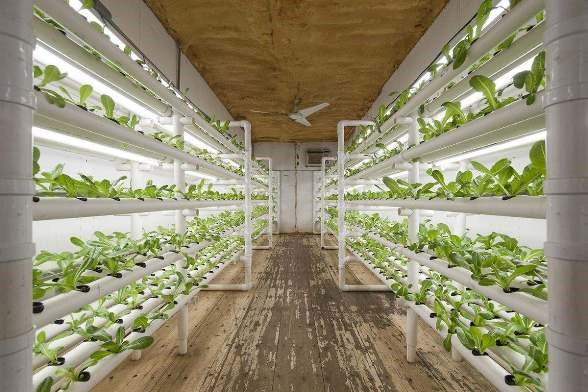
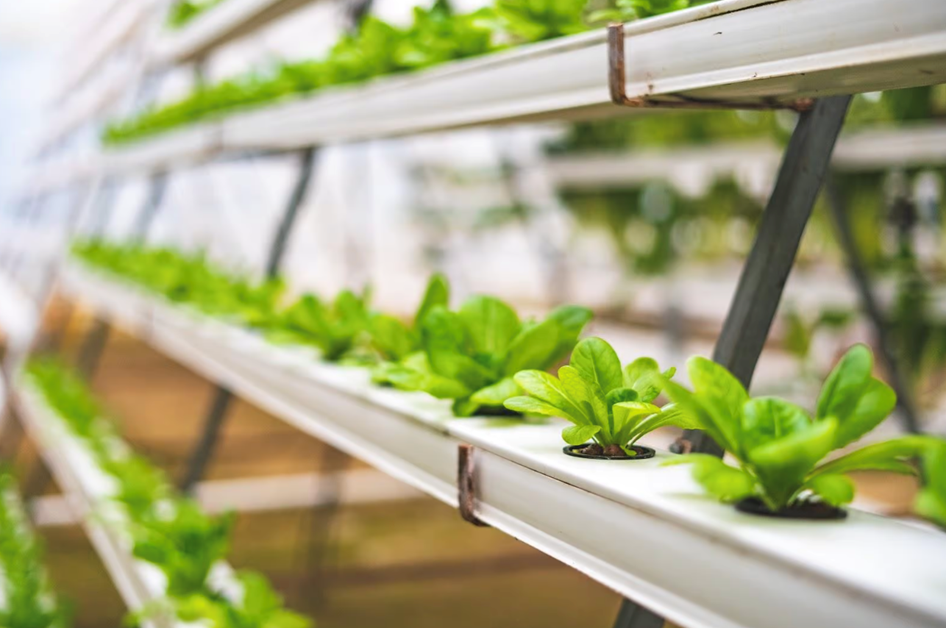
in container greenhouses, it is possible to use artificial cultivation systems such as perlite, cocopit, or hydroponic. These items provide all the nutrients that plants need.

The main advantages of container greenhouses

Less use of chemical pesticides: Due to the strict control of the cultivation environment, there is no need to use chemical pesticides in container greenhouses.

According to the mentioned cases, container greenhouses can be known as a very suitable option for farmers, agricultural companies, and even those people who are interested in farming in urban environments.

Examining the global challenges in the field of agriculture such as water shortage, population increase, and climate change 

In today’s world, agriculture is facing serious challenges all over the world. Ignoring these challenges will threaten global food security. In the following, some of the most important challenges are mentioned for you.

All these challenges have made sustainable agriculture more necessary than ever. The use of some new technologies such as container greenhouses is known as a suitable solution to overcome these challenges. 

advantages of container greenhouses

Introducing the container greenhouse as a new and suitable solution to overcome the mentioned challenges

As we said earlier, container greenhouses can be a suitable option as an emerging technology to deal with global agricultural challenges. By creating a controlled and optimized environment, these greenhouses can help farmers produce high-quality agricultural products in any weather condition and at any time of the year.

The use of accurate and suitable irrigation systems in these greenhouses has a great effect on saving water. In addition to this, these greenhouses provide the possibility of vertical cultivation, which can help us make 100 percent use of space and produce as many agricultural products as we need in any location. The environment of these greenhouses is controlled. This can reduce the need to use chemical pesticides and help produce organic products. Due to all these factors, by controlling the environmental conditions in all seasons of the year, we can produce suitable agricultural products and avoid market fluctuations. By providing a controlled environment, these greenhouses help farmers protect crops from climate change. 

Comparison of container greenhouses with traditional agricultural methods

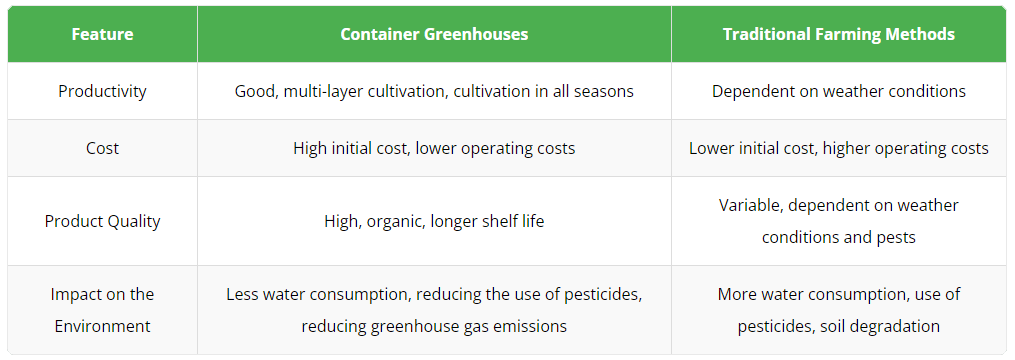
Container greenhouses are known as a new idea in the field of agriculture. Due to their unique characteristics, these greenhouses have relatively large advantages compared to traditional farming methods. You can examine these benefits in different areas such as productivity, cost, product quality, and environmental impact.

Productivity
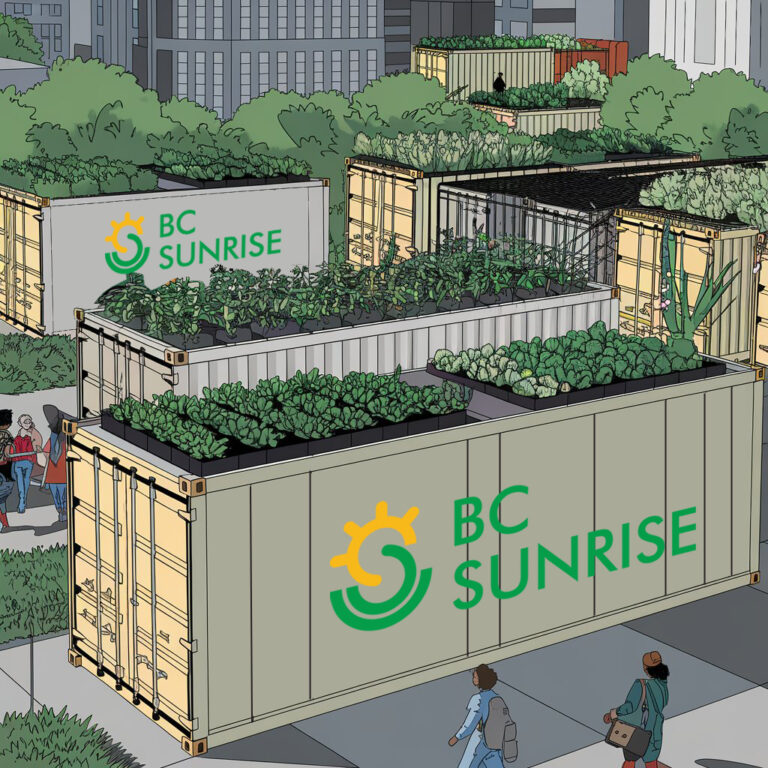
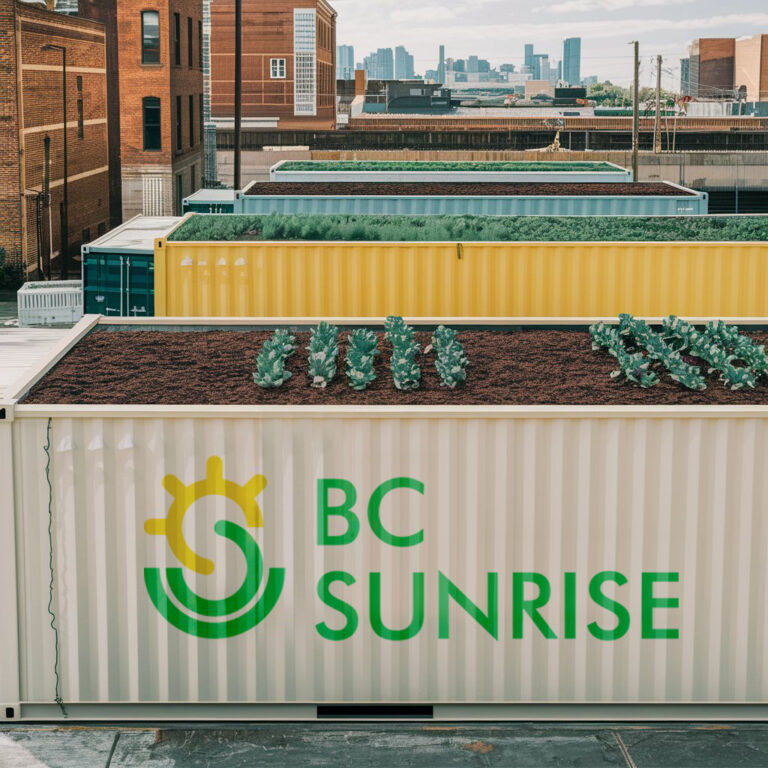
  • 100 percent use of space: by using container greenhouses, it will be possible to produce products in limited spaces such as rooftops, parking lots, and even inside buildings. While for agriculture traditionally, we need relatively extensive land. 
  • Cultivation on several floors: In container greenhouses, it is possible to produce products on several floors. This can help increase production. 
  • Cultivation in all seasons: By carefully controlling the environmental conditions and keeping an eye on these conditions, it is possible to produce agricultural products in all weather conditions.
Cost 
  • High initial cost: In the initial stages of setting up a container greenhouse, you need more expenses compared to traditionally starting farming. But in the following, the return on investment happens quickly.
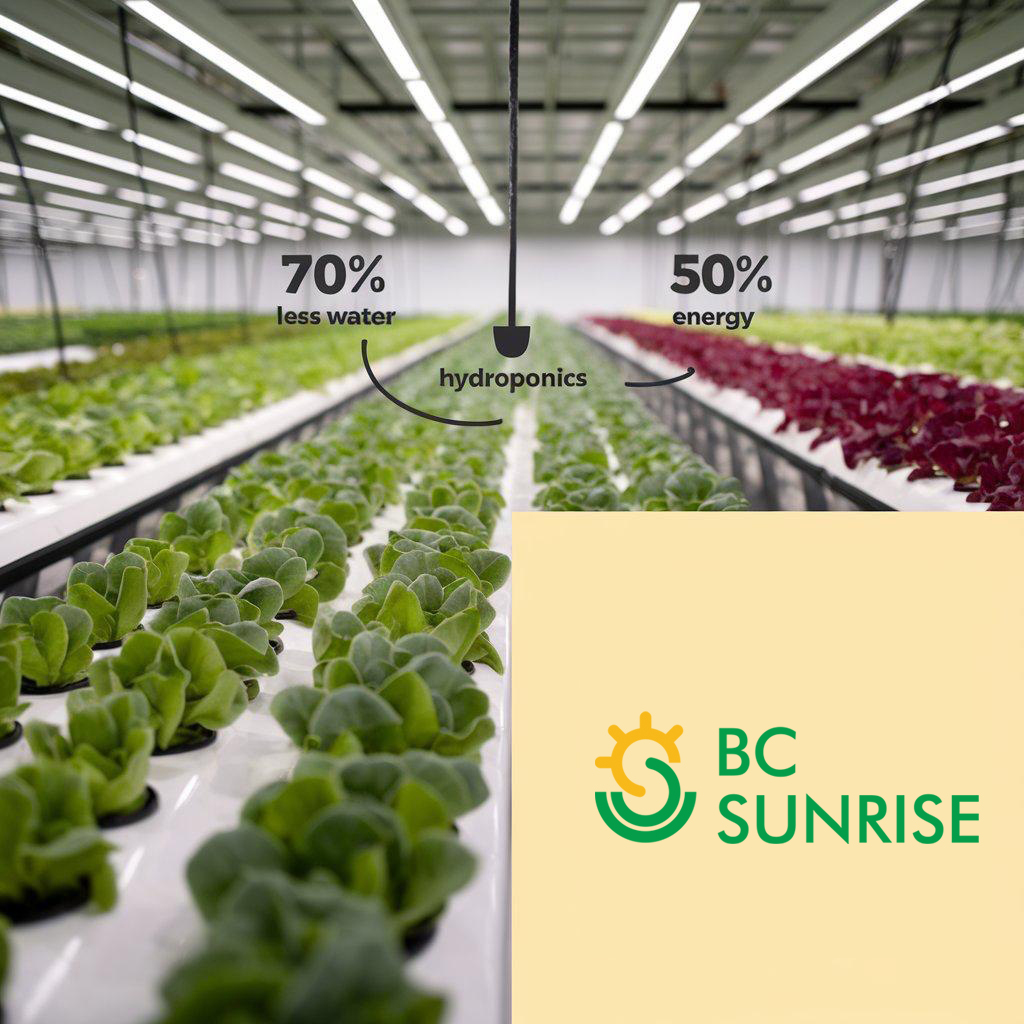
  • Lower operating costs: Things like low water, energy, and fertilizer use in container greenhouses can greatly reduce agricultural operating costs.
  • Faster return on investment: In container greenhouses, the productivity is high and the quality of the products is also significant. This issue has made the return on investment in container greenhouses higher compared to traditional agriculture.
Product Quality
  • Better quality: Products grown in container greenhouses have better quality. These products do not suffer from pests and diseases due to the control of environmental conditions.
  • Production of organic products: By controlling the environmental conditions in container greenhouses, there is no need to use chemical pesticides. So, more organic products are produced in these greenhouses.
  • Freshness and longer shelf life: Products in container greenhouses stay fresher and last longer because they do not need to travel long distances.
Impact on the environment
  • Water saving: Due to the use of precise irrigation systems in these greenhouses, more water is saved.
  • Reducing the use of chemical pesticides: the environment of container greenhouses is controlled and this reduces the need to use chemical pesticides. This point preserves the environment. 
  • Reduction of greenhouse gas emissions: By using renewable resources to provide the required power for greenhouses, the amount of greenhouse gas emissions will be reduced.
Comparison of container greenhouses with traditional agricultural methods

Successful examples of container greenhouses around the world

Container greenhouses, which are known as a new agricultural technology, have already been implemented in many countries. Things like high productivity, optimal consumption of resources, and the possibility of growing crops in all seasons and any weather conditions, have made this technology quickly known all over the world. In the following, we have mentioned some successful projects that have been implemented in the style of these greenhouses.

hydroponic cultivation
  • Leading companies: Companies such as Freight Farms and Gotham Greens in America have developed this technology well by using advanced container greenhouses.
  • Products: These mentioned companies usually produce green leafy vegetables, tomatoes as well as agricultural products with high added value.
  • Location: These greenhouses are usually established in urban and suburban areas. This issue has given consumers proper access to the agricultural products they want.
  • North of Canada: The northern regions of Canada have relatively cold weather and the winter season in this country is long. Because of this issue, the use of container greenhouses is known as a new solution for the production of agricultural products in this country.
  • Hybrid greenhouses: In this country, greenhouses usually work with advanced heating and cooling systems so that suitable crops can be grown all year round.
  • Leading countries: European countries such as Germany, Netherlands, and Denmark are among the pioneers in establishing container greenhouses
  • Advanced technology: In European countries, some advanced technologies such as LED lighting, intelligent control systems, and drip irrigation systems are used in these greenhouses.
  • Attention to sustainability: Europeans place great emphasis on the production of organic and sustainable products in greenhouse environments, including container greenhouses.
  • China: China has a large population and less conquered agricultural land in proportion to its population. For this reason, the officials of this country are looking for the expansion of agriculture in container greenhouses and vertical agriculture.
  • Singapore: Singapore is one of those countries that has many restrictions on agricultural land. Due to this issue, this country has also seriously started the process of expanding container greenhouses.
  • Japan: In Japan, using some advanced technologies, container greenhouses are used to produce high-quality agricultural products.

Investigating crops grown in container greenhouses

crops grown in container greenhouses
  • Green leafy vegetables: Green leafy vegetables grow fast and do not need much light. Because of this, they are a suitable option for cultivation in container greenhouses. These plants have a relatively fast turnaround time for harvesting and because of this, they are known as a profitable product. Due to the high demand for these crops and short growing cycles, investing in the cultivation of green leafy vegetables can have a steady stream of income.
  • Tomatoes: Tomatoes have a very high nutritional value and are in high demand in the market. Because of this, it is a suitable option for cultivation in container greenhouses. Investing in the cultivation of this product can have a high return due to the longer growing seasons and the benefits of a controlled environment.
  • Strawberry: Strawberry is a product that has a relatively high price in the market. The possibility of cultivation in all seasons of the year has made this product an attractive option for farmers who are looking to farm in container greenhouses. Planting this product can be very profitable.
  • Medicinal plants: In some container greenhouses, medicinal plants such as mint, rosemary, and thyme can be planted. Controlled environments in these greenhouses can optimize growing conditions and increase their value in the market. Planting these products in container greenhouses can bring good profitability by targeting specific markets.
  • Other products: In addition to the products we mentioned before, in container greenhouses, you can grow products such as peppers, eggplants, cucumbers, berries, and fruits such as strawberries, tomatoes, etc.

Investigating investment opportunities on container greenhouses in global markets

The growth of container greenhouse markets and the future of this idea

Reasons such as climate change, increasing consumer awareness about the importance of using healthy food, and… have caused the growth in the container greenhouse market. Due to the mentioned factors, currently, the demand for producing quality products with sustainable methods is very important. 

Container greenhouses have new technology that can provide the possibility of growing any type of agricultural product at any time of the year. In these greenhouses, our productivity is high and it is possible to save water and energy. In addition to this, the possibility of growing various crops has attracted many investors to container greenhouses.

container greenhouse market

Investigation of investment areas in the container greenhouse industry

Expandable Content
Equipment production

The production of equipment needed in container hydroponic greenhouses is one of the most powerful and prosperous markets in this field. Due to the increasing demand for the production of healthy agricultural products in controlled environments, farmers have an urgent and necessary need for advanced equipment in this field. Companies operating in this field try to produce different types of equipment such as LED lighting systems, intelligent irrigation systems, temperature and humidity control systems, hydroponic cultivation substrates, and monitoring equipment. These equipments can help farmers to improve the quality of products and increase productivity.

Greenhouse Construction

In the container hydroponic greenhouse industry, greenhouse construction is very important. It is these greenhouses that can provide a controlled environment for the optimal growth of plants in container food production systems (CFPS).

With the efficiency of greenhouses, it is possible to eliminate the risks caused by sudden and severe weather events and provide the conditions for maximizing the growth rate.

In these greenhouses, water consumption can be saved by using controlled irrigation technologies and collecting excess water.

In these greenhouses, it is possible to eliminate or reduce the chance of pests and diseases.

Container greenhouses increase the process of food production and are more productive compared to traditional farming.

Container greenhouses are known as a suitable environment for growing different types of products using different hydroponic techniques.

Container greenhouses support local production by producing organic products. They provide the basis for healthy nutrition.

These greenhouses create a good job opportunity and thus contribute to the development of the society.

Considering these cases, it is necessary to provide sufficient funds to set up container food production systems, including hydroponic greenhouses and operational measures in these greenhouses.


Environmental Benefits of Container Hydroponic Greenhouses

Utilizing container hydroponic greenhouses as an innovative method in urban and sustainable agriculture offers significant environmental advantages. Below is a detailed examination of these benefits:

Conclusion:

Implementing container hydroponic greenhouses not only enhances the production of high-quality crops with greater efficiency but also brings significant environmental benefits.

This method, by reducing resource consumption, pollution, and greenhouse gas emissions, and by enhancing food system sustainability, contributes to achieving sustainable development goals and protecting the environment.

Utilizing this technology in our business demonstrates our commitment to environmental responsibilities and a move toward a more sustainable future.