
TheRoleofTechnology in Agricultural Product Tracking
What do you know about the role of technology in tracking agricultural products? Do you have information about the use of technology in agriculture? The development of new tracking technologies in agriculture plays a pivotal role in enhancing the safety, quality, and sustainability of foodstuffs. These technologies enable real-time monitoring and tracing of food products from the farm to the table, providing valuable insights into the entire supply chain.
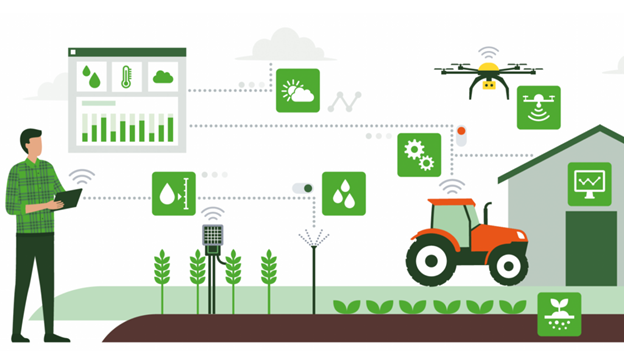
What is the role of technology in tracking agricultural products?
Key technologies being developed in this field include:
- RFID Tags and Sensors: These technologies are used to embed unique identifiers in food products, enabling their traceability throughout the supply chain. RFID tags are wirelessly readable, while sensors can provide real-time data on factors like temperature, humidity, and other elements that can impact food quality.
- Blockchain: One of the most prominent players in the role of technology in tracking agricultural products is blockchain. Blockchain technology is used to create an immutable digital ledger of food-related transactions. This ledger can store data about the origin, production, processing, transportation, and distribution of food products, providing transparent and traceable records.
- Satellite Imaging and GPS Tracking: Satellite imaging and GPS tracking are utilized to monitor agricultural product conditions, track shipments, and identify potential issues within the supply chain. These data can be used to improve agricultural product management, optimize logistics, and prevent damage.
- Artificial Intelligence and Machine Learning: AI and machine learning are employed to analyze data from tracking systems, identifying patterns and anomalies that might indicate food safety issues or supply chain disruptions. These data can be used to prevent foodborne illnesses, recalls, and supply chain disruptions.
Benefits of New Tracking Technologies
- Improved Food Safety: The role of technology in tracking agricultural products is immediate disease prevention. These technologies can help identify and prevent foodborne illnesses by tracking contaminated products to their source and tracing them to their origin.
- Enhanced Product Quality: Tracking can ensure that food products are transported and stored under optimal conditions, reducing wastage and preserving freshness.
- Increased Transparency: These technologies can provide consumers with more information about the origin and journey of their food items, strengthening trust in the food system.
- Optimized Supply Chain: Tracking can aid in identifying and optimizing inefficiencies in the supply chain, reducing costs, and improving efficiency.
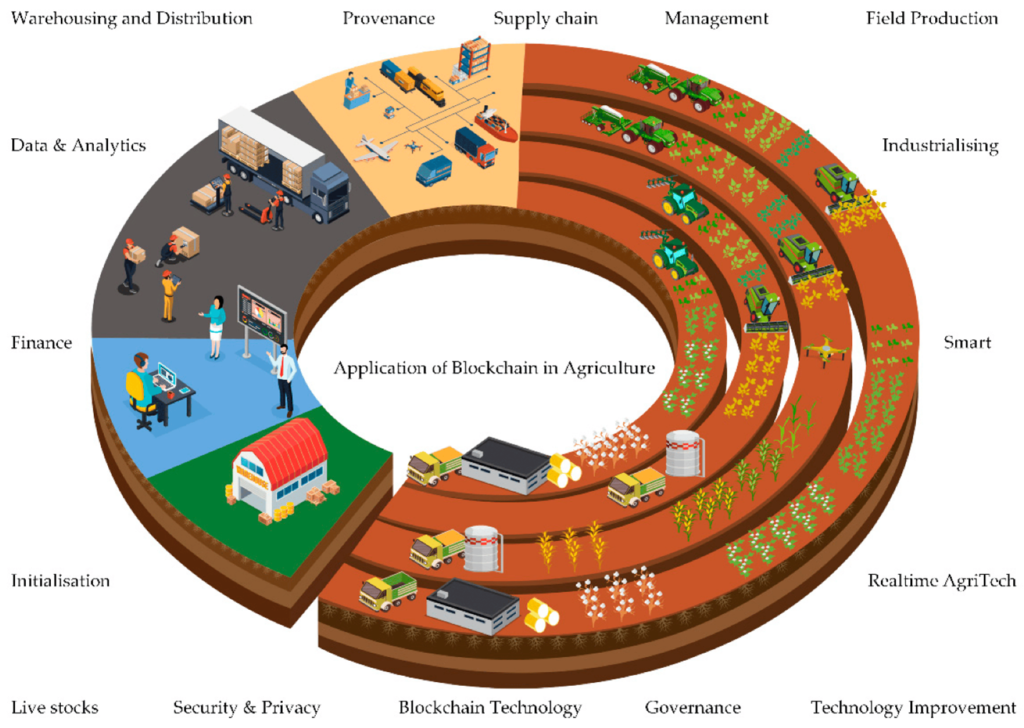
The role of blockchain in tracking agricultural products.
The impact of modern technology on agriculture
The adoption of new tracking technologies in agriculture by:
- Increasing consumer demand for transparency: Consumers are increasingly concerned about the safety and origin of their food, leading to a demand for tracking and transparency from producers and retailers.
- Government regulations: Governments increasingly mandate tracking systems for specific food products such as meat, fish, and agricultural produce.
- Economic benefits: Tracking can help reduce food wastage, optimize the supply chain, and improve brand credibility, resulting in economic benefits for stakeholders.
With the elevation of the role of technology in tracking agricultural products and the continuous development of new technologies, we expect to witness further

No comment