
Vertical farming a reliable method for increasing production per unit area
Vertical farming and indoor farming are new found methods in the agricultural sector, offering a hopeful and better solution for the challenges that traditional farming had. These methods make agricultural products grow in controlled environments, regardless of weather or soil conditions, and make it possible to produce fresh products throughout the year, even in urban areas.
The key features of indoor and vertical farming
- Vertical farming: in this method agricultural products are grown vertically and we can have maximized use of available space. This allows us for grow more products in smaller areas and as a result, improving efficiency and productivity.
- Controlled environment: in this method, crops will grow in a controlled environment. This will help us to have control over main factors such as: temperature, humidity, light and nutrient levels. This will finally optimize the growth and quality of the products.
- Reuse of resources: water and nutrients in vertical farming are controlled in a growth environment and will be used again. This will limit the water consumption and waste. As a result, our resources will be permanent.
- Reducing environmental impacts: indoor and vertical farming have less environmental impacts than traditional farming. These methods need less field, water and energy and they will produce less waste.
Benefits of indoor and vertical farming - Production throughout the year: with vertical farming we can produce fresh products at every time of the year. Regardless of seasonal changing or weather conditions. This will provide access to fresh products in all seasons of the year even in areas with limited agricultural land or adverse weather conditions.
- Increase productivity: indoor and vertical farming can have more productivity that traditional farming. This can help food security challenges and meet the growing demand for food.
- Increase food quality: in a controlled environment the quality of products will be much better. As a result, products will be better, newer, more delicious and nuttier.
- Stable management of resources: these methods will control the use and waste in resources such as water. Also, it will reduce environmental effects.
- Urban flexibility: indoor and vertical farming can be used in urban environments. As you may know, transportation of fresh food to the cities can be challenging. With this method we can produce fresh food for city needs.
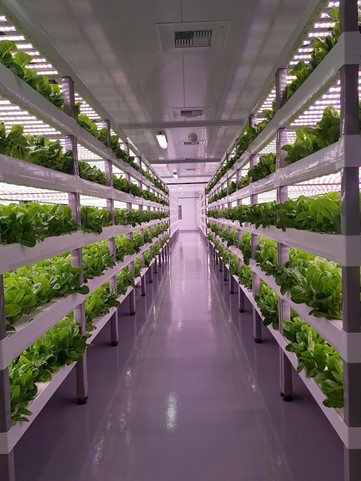
Factors that contribute to the adoption of vertical and indoor agriculture
- Growing urbanization: a growing population and urbanization increase the pressure on traditional farming. On the other hand, it will make indoor and vertical farming a better choice for urban areas.
- Change in consumer preferences: consumers increasingly look for fresh and local products. Indoor farming can answer these needs perfectly.
- Technological advances: advances in sensors, lighting and climate control systems are making vertical farming more efficient and cost- effective.
- Government support: governments understand the potential of indoor and vertical farming. They support them through research funding, subsidies and regulatory frameworks.
Vertical and indoor farming challenges - High investment costs: setting up the indoor and vertical farming system can be expensive. As a result, most of these systems are small.
- Technical complexity: these methods need professional expertise for working and system maintenance.

No comment